
Manageable routines
Practical nutrition support and activity goals that consider your preferences and family life.
Ages 0–26Virginia & Maryland
Get a clear plan for an elevated A1C, prediabetes or type 2 diabetes—with medical care, nutrition and follow-up built around your life.
Have existing results? Bring them. You don’t need new lab tests to request an appointment.
Understand the result
Insulin is the hormone that helps glucose enter cells for energy. These related terms describe different things.
Your body responds less effectively to insulin. Blood sugar may still be in the usual range.
Blood sugar is above the usual range but below the diabetes range. It does not mean diabetes will necessarily develop.
The body does not use insulin effectively and cannot make enough to keep blood sugar in range. Treatment and follow-up help manage it.
Blood tests help identify diabetes, but the result alone does not establish which type. Your clinician considers symptoms, medical history and any additional testing needed.
Your first visit
Talk about symptoms, questions and what feels difficult in daily life.
We consider existing results, growth, family history and current medicines.
Explore whether testing, nutrition support, glucose monitoring or medicine may help.
Understand the priorities, any recommended tests and your follow-up plan.

School, work, meals with friends and activities you enjoy belong in the conversation. Your priorities help shape the plan.
Treatment & follow-up
Care depends on your diagnosis, age and health needs. Together, we choose the support that fits.
Practical nutrition support and activity goals that consider your preferences and family life.
Your clinician explains appropriate options based on your blood sugar, health history and goals.
Review results, questions and how you are feeling, then adjust the plan when needed.
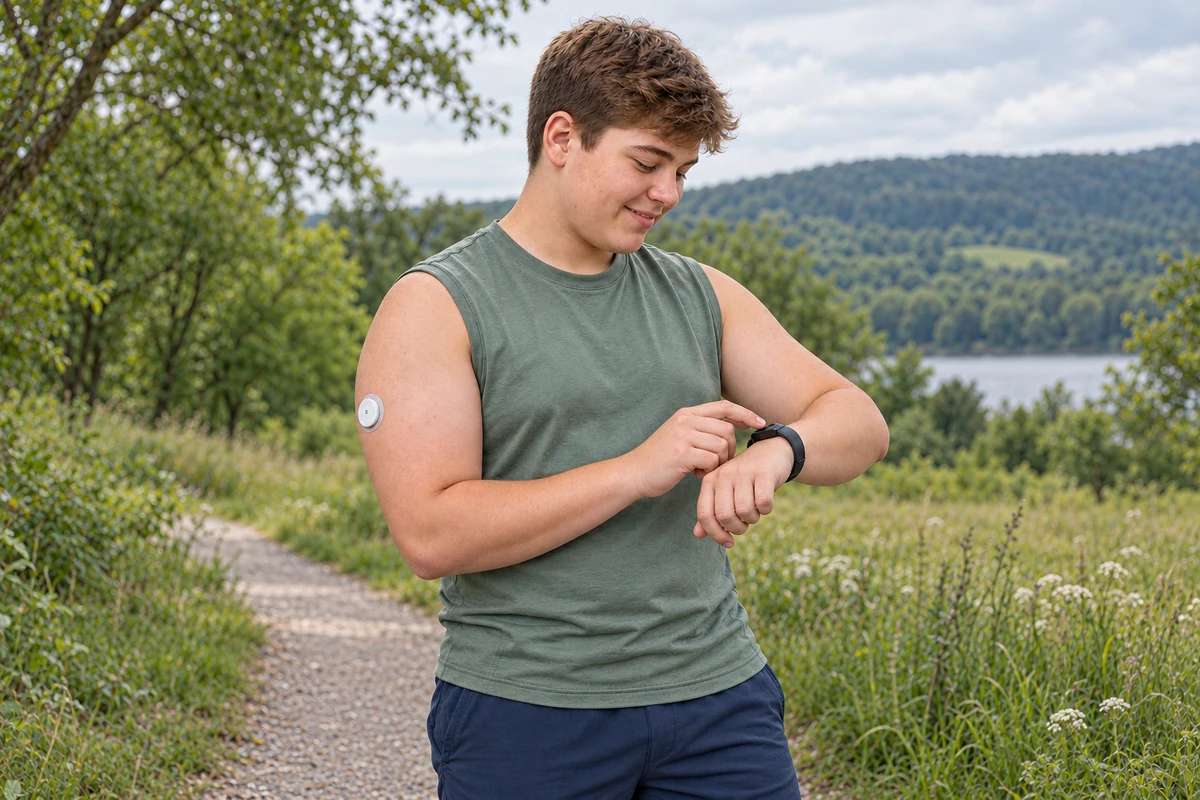
A continuous glucose monitor (CGM) can help some people with diabetes see glucose patterns throughout the day. Your clinician helps decide whether it fits your needs.
A fitness tracker records activity. It does not replace a glucose monitor.
Getting started
Meet by video while in Virginia or Maryland. We’ll explain if an in-person assessment is needed and help you understand the next steps.
Request an appointmentNo. You can request care without new lab tests. Share existing blood sugar results if you have them; your clinician decides whether more testing is needed.
Not always. Your clinician reviews the test, how high the result is and any symptoms. Some results need repeat testing to confirm a diagnosis.
We are not currently accepting new patients for type 1 diabetes. Ask your primary care clinician for a referral to a diabetes care team.
Yes. Young adults ages 18–26 can request their own appointment, with family involved if they choose.
Not everyone needs a CGM. Your clinician considers your diagnosis, treatment and how often glucose needs to be checked, then explains the monitoring options that fit your care.
Share your blood sugar concerns or existing results. We’ll help you understand the next step.
(571) 480-6053